The BIG Spook 2026
Lincoln BIG News

Lincoln, UK - A new series of six interpretive heritage illustrations brings the rich and often overlooked histories of Brayford Pool to life, revealing stories that span more than 8,000 years.
From a Stone Age ‘Summer Camp and Iron Age, Corieltauvi water worship, Viking settlers, canal boat women, unique Cold War, naval recruitment ‘warships’ and a royal visit with Olympic athletes, the project draws on what artist and researcher Dr Rowan Gatfield, refers to as ‘Heritage Mining’ This design-led methodology, which draws on archaeology, archival research and iterative design process, aims to reconnect people with one of Lincoln's most significant cultural landscapes.
Titled Watery Histories of the Brayford Pool, the installation (facilitated through Lincoln BIG’s Lincoln Creates programme - supporting local artists), consists of six illustrated boards, positioned around the waterfront. These boards, depicting various perspectives of the Brayford through time, have been designed to encourage visitors, (through linked mobile websites) to enjoy the stories and research behind each scene. Through Heritage Mining, the project aims to demonstrate that fragments of evidence can be transformed, through a process of critical speculation, into accessible public experiences, revealing the Brayford is not simply as a body of water, but a watery landscape shaped by thousands of years of human activity.
Heritage Mining, is design-based methodology being developed by Dr Rowan Gatfield and Dr Raymund Konigk, both Senior lecturers at University of Lincoln. The design strategy seeks to identify, extract, analyse and critically reinterpret fragments of history, archaeology, folklore, material culture and archival evidence before transforming them into new forms of cultural production. Rather than treating heritage solely as something to be preserved for posterity, the method asks how historical evidence can inspire new artworks, narratives, public experiences and design solutions that connect contemporary audiences with place and history.
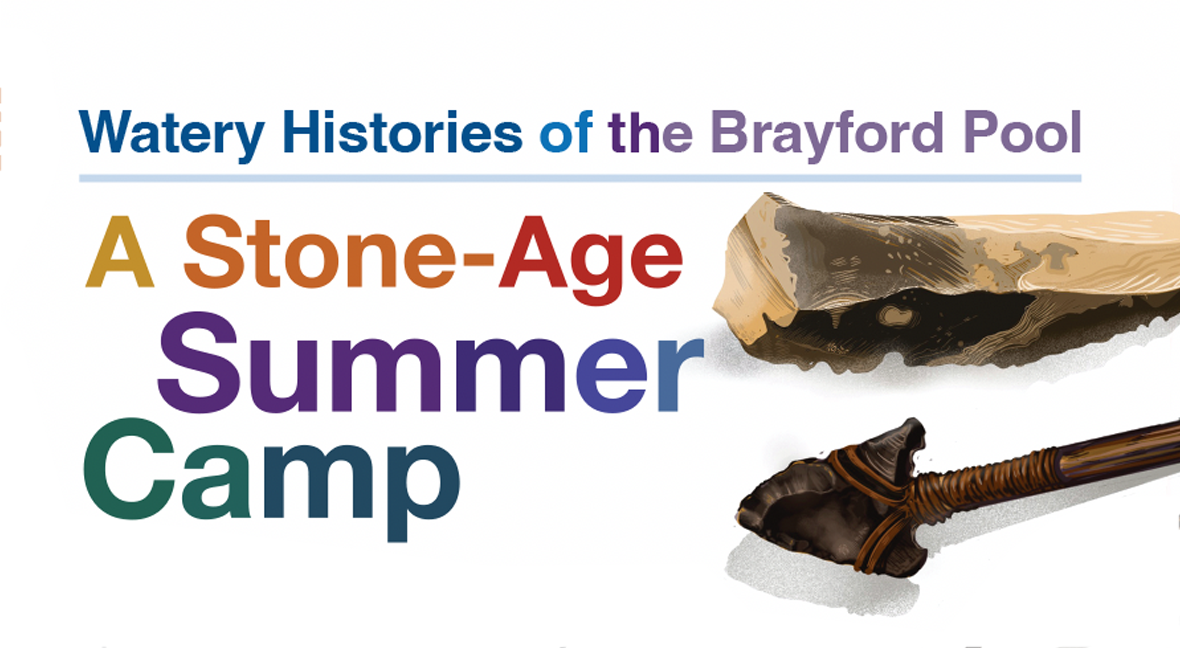
One strand of the project explores Brayford Pool's prehistoric past. Archaeological excavations undertaken during the building of the University of Lincoln’s Isaac Newton Building, uncovered evidence of repeated Mesolithic activity around the Pool, including substantial quantities of worked flint, arrowheads and a single bead as well as evidence of tool-making and the existence of fire hearths. These discoveries inspired the illustrative imagining of a seasonal Mesolithic camp, in which hunting and gathering activities were being undertaken by some of the earliest known communities occupying the Brayford landscape.
The prehistoric story continues through depictions of early watercraft inspired by discoveries of and dugout canoes made along the River Witham. These findings point to a long tradition of movement, transport and exchange along Lincolnshire's waterways, highlighting the central role that water has played in shaping the region's cultural development.
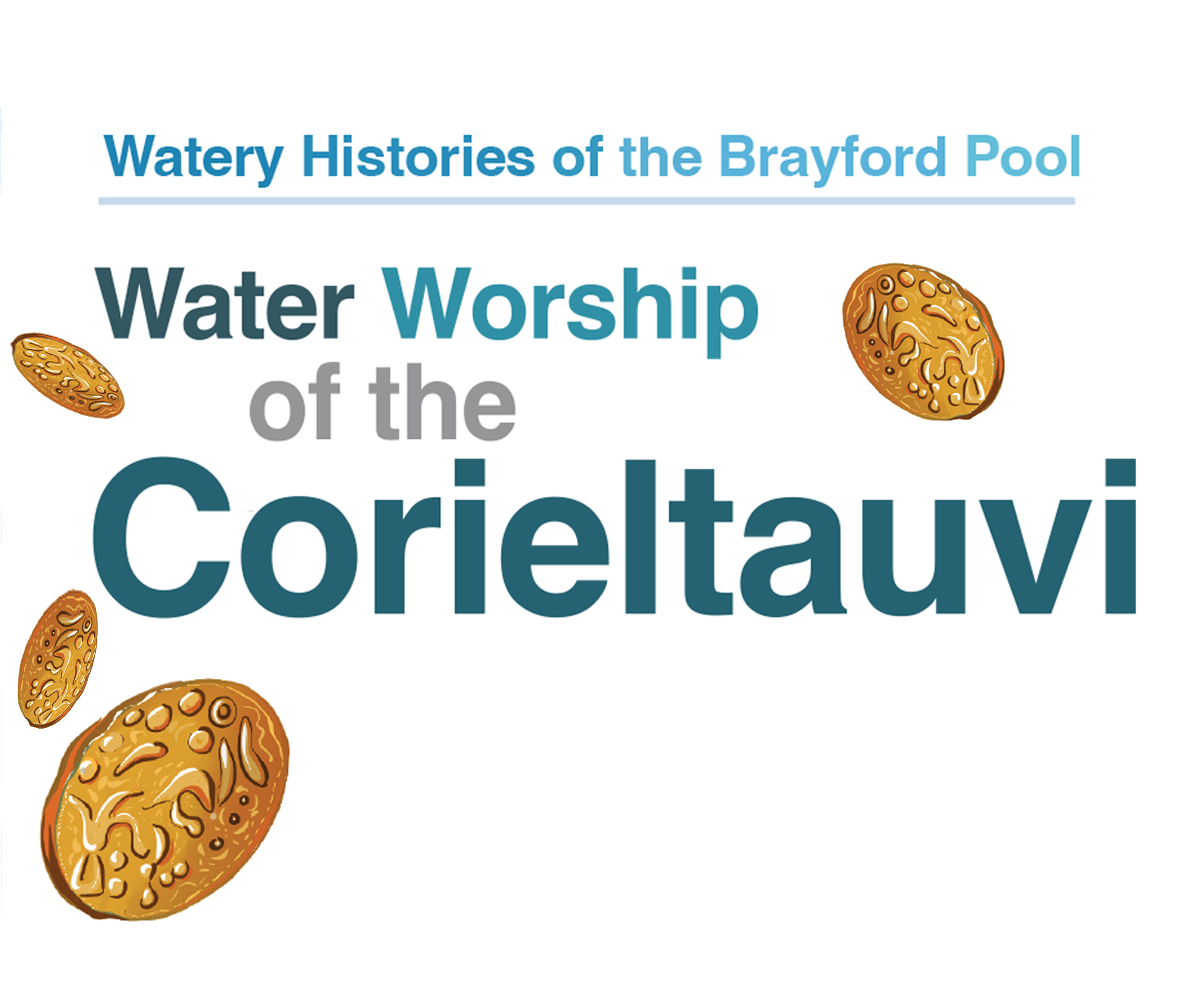
The project also examines the world of the Iron Age Corieltauvi polity, exploring how waterways may have been understood as more than practical routes for travel and trade. Drawing on archaeological evidence and reconstructions of stone-age Europids, as well as wider research into Iron Age ritual practices, the artworks investigate the possibility that Brayford Pool and the River Witham were places of spiritual significance where offerings of gold stater coins, killed weapons and beakers were made and where daily life intersected with belief.
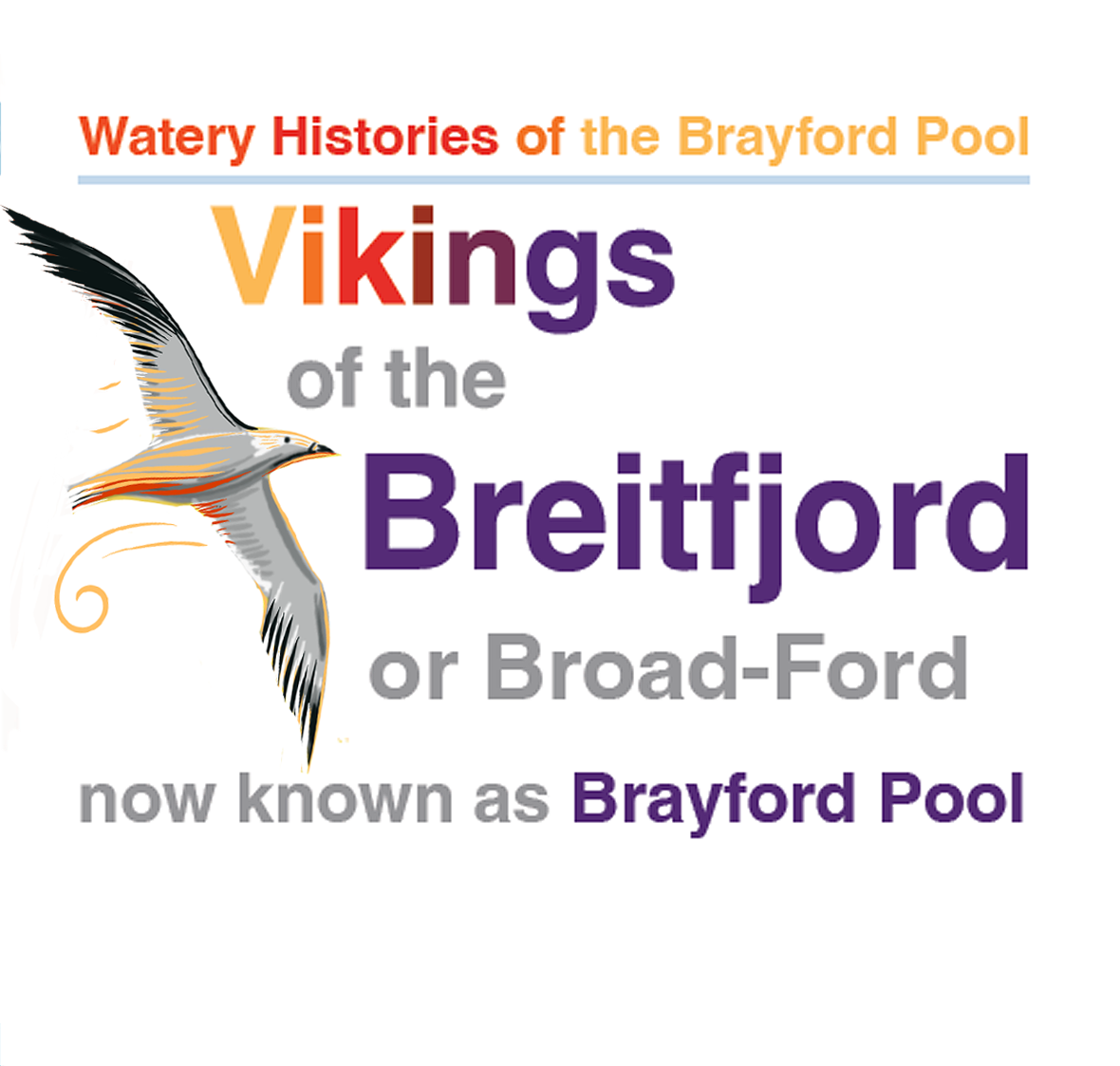
Further along the timeline, visitors will also encounter a depiction of Lincoln's Viking heritage. Informed by archaeological discoveries of clinker planking (used in the construction of Viking longboats) alongside evidence of hurdle river fishing, the scene imagines the Brayford as a Scandinavian trading harbour connected to wider Viking networks. The artworks explore Lincoln's importance during the Anglo-Scandinavian period and the role of waterways in trade, settlement and everyday life.
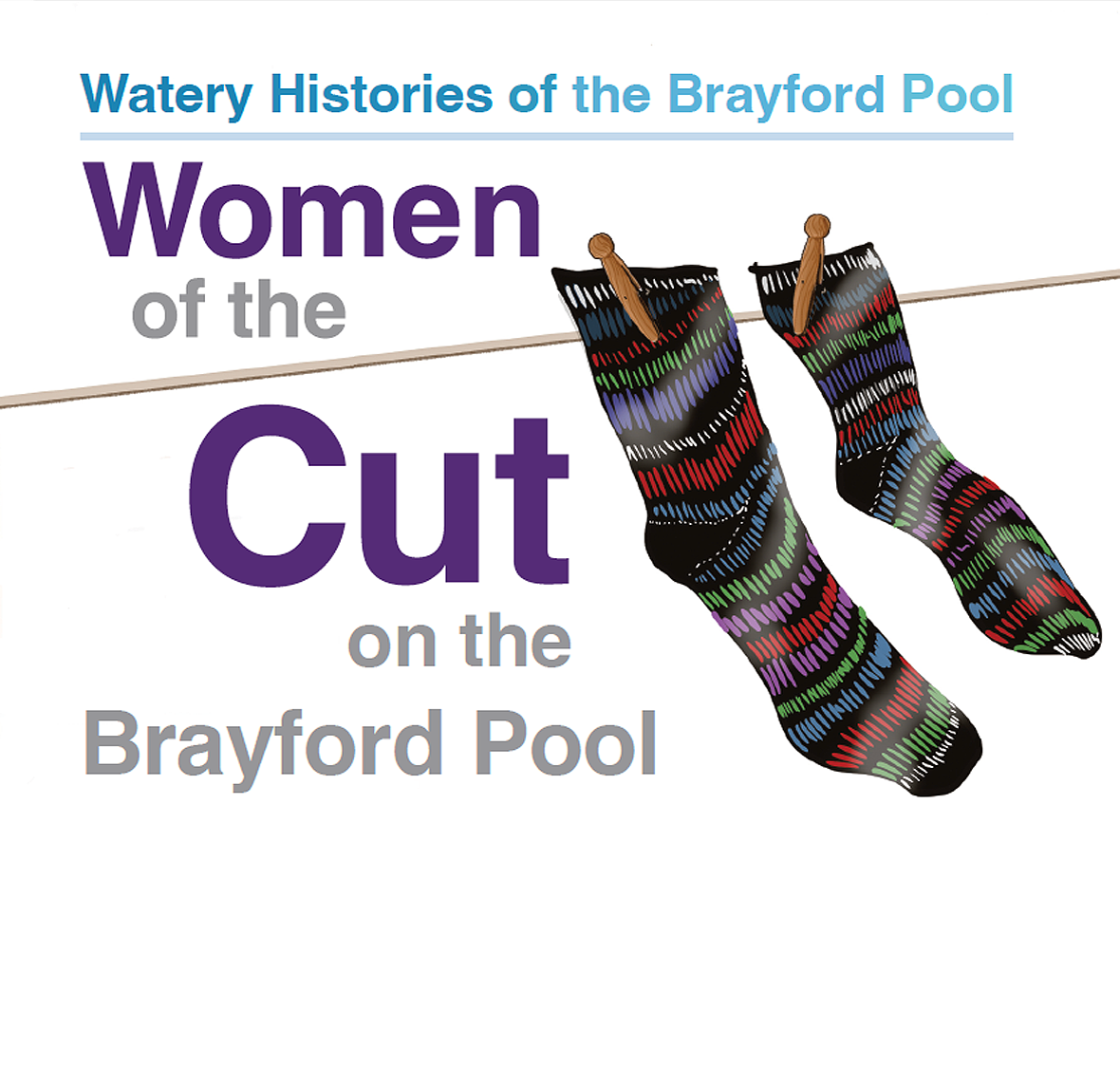
The trail also celebrates the traditions of Britain's canal communities, during their emergence during the late 18th century and the revival of narrow-boating that occurred during the late 20th century. This board celebrates the contribution of women, who lived and worked aboard narrowboats, and their role in shaping the distinctive material and visual culture associated with canal life. Decorative traditions such as painted roses and castles, cabin ornamentation and the colourful liveries of canal carrying companies are explored as expressions of identity, creativity and community. This board also recreates the busy Victorian and Edwardian waterfront, depicting warehouses, mills, public houses and commercial activity during the period when Brayford Pool functioned as one of Lincoln's most important transport and trading hubs.
The project also brings attention to lesser-known episodes of twentieth-century history, including the arrival of the Royal Navy's remarkable narrowboat flotilla in 1974. Designed to resemble naval vessels, the naval boats travelled Britain's inland waterways as part of a recruitment campaign, transforming the Pool into an unlikely stage for Cold War Britain. Alongside this story, the project explores anti-nuclear activism and celebrates Lincoln's maritime connections through the history of the local Sea Cadets.
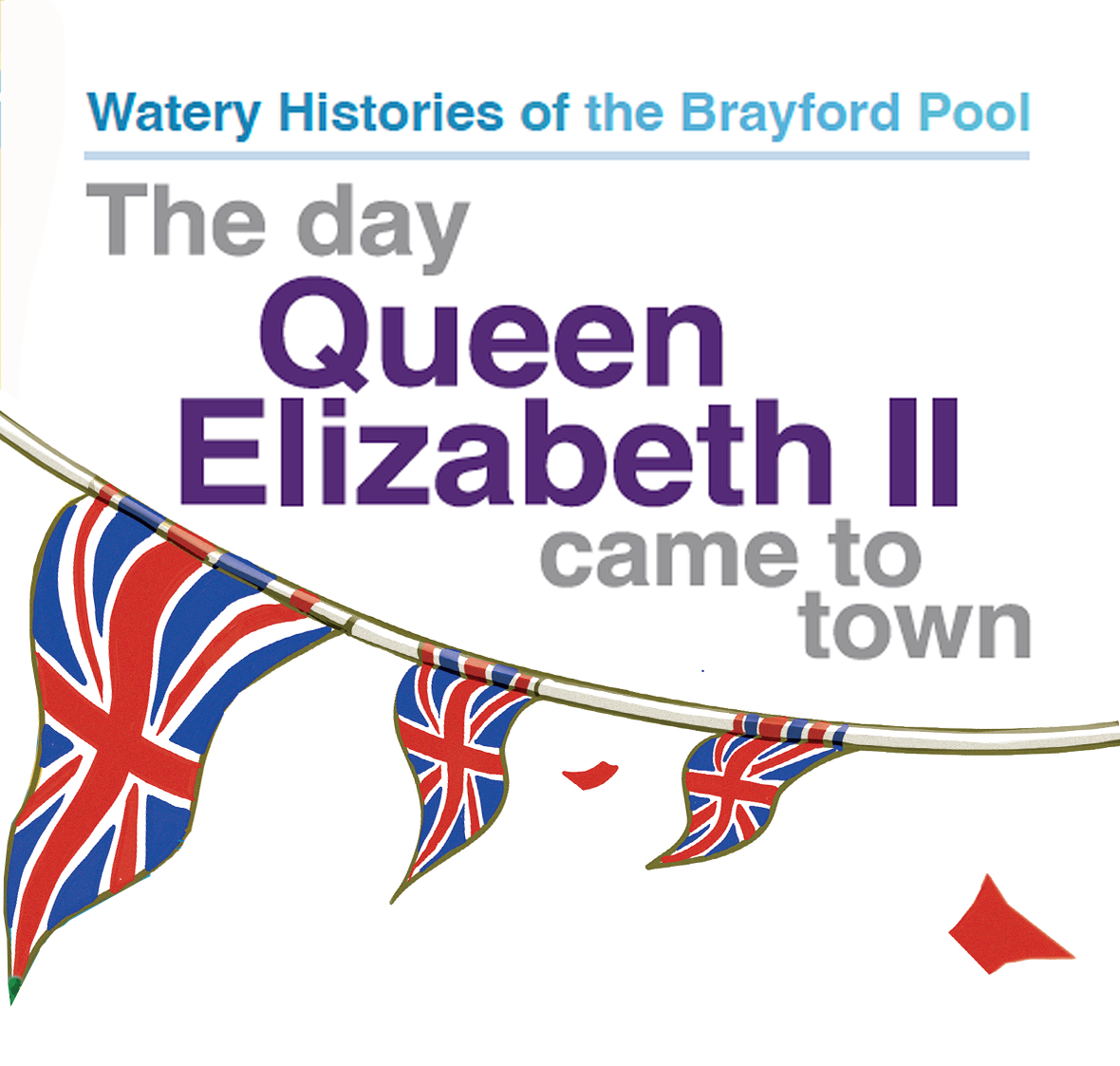
More recent stories are also represented within the trail. One of the boards celebrates Lincoln Canoe Club's contribution to British sport, highlighting Olympians and Team GB canoeists, as well as its future generations of paddlers. This board also commemorates the visit of Queen Elizabeth II to Brayford Pool in 1996, marking a significant moment in the city's modern history and the development of the University of Lincoln's waterfront campus.
"Many people pass through Brayford Pool every day without realising the extraordinary stories embedded within its watery landscape. Thus, Heritage Mining has provided a way of uncovering those stories and transforming them into new forms of public engagement. The aim of the project was not simply to communicate aspects linked to history, but to make heritage visible, accessible and meaningful for contemporary audiences.